Source Cat Eye UV Gel Polish for Salons, DIY, and Artists
Explore 19 listings of cat eye uv gel polish from verified suppliers in China. Buyers can compare specifications like volume, color options, and certifications including MSDS and CE to find suitable options for professional salons or DIY projects.
Key considerations
Products List


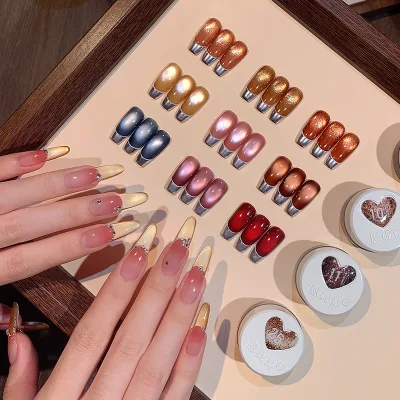
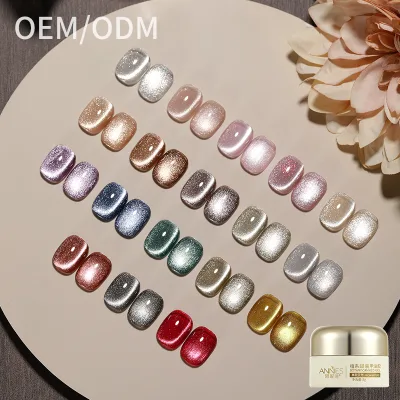


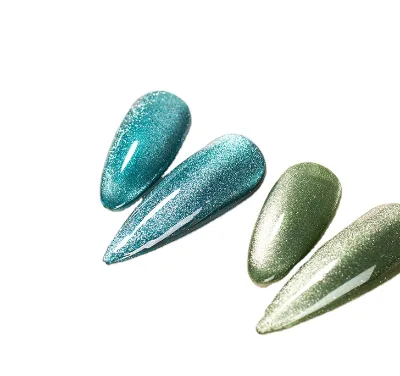


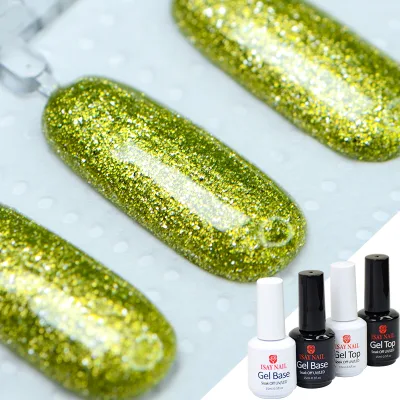
Comprehensive Sourcing Guide
Strategic Sourcing Guide for Cat Eye UV Gel Polish Procurement
The global demand for specialized nail art products has driven a significant shift toward high-performance, visually striking formulations, with cat eye UV gel polish emerging as a dominant category in both professional salon environments and the growing DIY market. For procurement professionals, sourcing this specific product requires a nuanced understanding of its unique magnetic properties, regulatory landscape, and supply chain dynamics. Unlike standard gel polishes, cat eye variants rely on specific iron oxide inclusions to create the signature "magnetic" effect when exposed to a magnet during curing. This guide synthesizes available product attributes and industry standards to provide a disciplined framework for evaluating suppliers and ensuring product integrity.
Technical Specifications and Formulation Analysis
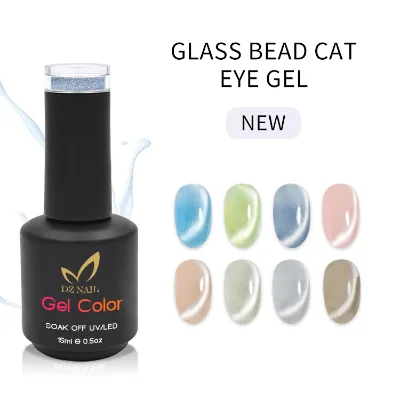
When evaluating cat eye UV gel polish, the primary technical differentiator lies in the formulation's ability to suspend magnetic particles without compromising viscosity or curing efficiency. Based on observed product data, the market offers a variety of volume configurations, ranging from small 5g jars to larger 10ml and 15ml bottles. The specific model numbers, such as "Cat Eye Gel 97" or "KR362," often denote distinct particle sizes or magnetic intensities, which directly influence the sharpness of the cat eye line.
The physical state of the product is critical; while some listings indicate a "Jelly" or "Solid" consistency, the standard for high-quality cat eye gels is a fluid suspension that allows for easy brush application and magnetic manipulation. The curing time is a vital specification, with observed data indicating a requirement of 30 seconds under LED lamps and 1 minute under UV lamps. Procurement teams must verify that the supplier's recommended curing times align with the equipment used in the target market, as discrepancies can lead to under-curing or surface tackiness.
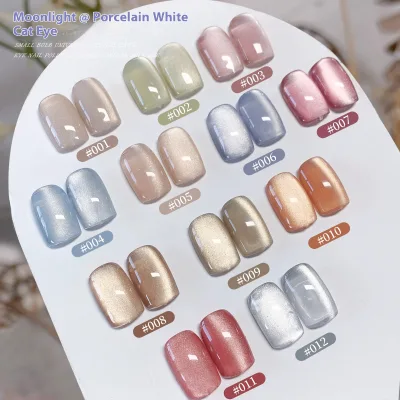
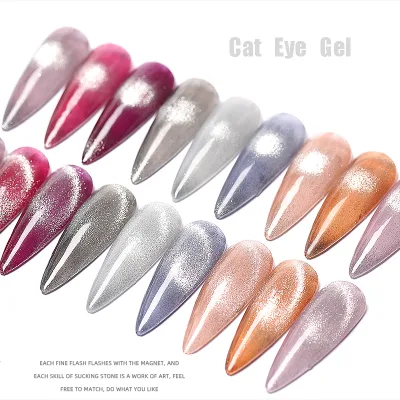
Furthermore, the color range is a significant technical consideration. Listings indicate options such as "30 Colors" with specific naming conventions like "MianNianRuChu," suggesting a broad palette ranging from metallics to glitters. The format is typically described as "Metallic" or "Glitter," which necessitates a clear distinction between standard glitter gels and those engineered with magnetic particles. Buyers should request sample swatches to verify the particle distribution and the consistency of the magnetic effect across different shades, as uneven distribution can result in patchy finishes.
Regulatory Compliance and Certification Verification
In the cosmetics sector, particularly for products applied to the human body, regulatory compliance is non-negotiable. The supply chain for cat eye UV gel polish must be scrutinized for adherence to international safety standards. Observed product attributes frequently cite certifications such as MSDS (Material Safety Data Sheet), GMPC (Good Manufacturing Practice for Cosmetics), CPNP (Cosmetic Products Notification Portal), and CE (Conformité Européenne).
The presence of an MSDS is a fundamental requirement, detailing the chemical composition and handling instructions. This document is essential for logistics providers and safety officers to ensure the product can be transported safely, especially given the flammable nature of many gel polish solvents. GMPC certification indicates that the manufacturing facility adheres to strict hygiene and quality control protocols, reducing the risk of contamination. CPNP registration is mandatory for products entering the European Economic Area, confirming that the product has been notified to the relevant authorities.
Additionally, the "Non-Toxic" attribute is frequently highlighted in product descriptions. While this is a positive claim, it must be substantiated by third-party testing and the aforementioned certifications. Buyers should not rely solely on marketing claims but must request the specific test reports that validate the absence of harmful substances like formaldehyde, toluene, or DBP (dibutyl phthalate). The "Eco-Friendly" label, also observed in some listings, requires verification of the specific environmental standards met, such as biodegradability of packaging or the use of sustainable ingredients.
Cost Drivers and Pricing Structure Analysis
The pricing of cat eye UV gel polish is influenced by several variables, including volume, customization, and certification status. The observed price range in the market spans from $0.78 to $64 per unit, a wide disparity that reflects differences in brand positioning, ingredient quality, and order volume. The lower end of the spectrum typically corresponds to bulk orders of standard formulations with minimal customization, while the higher end often includes premium brands, custom packaging, or small-batch orders with unique color formulations.
Minimum Order Quantity (MOQ) is a critical cost driver. Data indicates MOQs ranging from 50 pieces to 6,000 pieces. Suppliers with lower MOQs, such as 50 or 300 pieces, often charge a higher unit price to cover setup and production costs. Conversely, suppliers offering MOQs of 300 or higher may provide more competitive pricing. The "Customization" attribute, including OEM (Original Equipment Manufacturer) and ODM (Original Design Manufacturer) services, adds a layer of complexity and cost. Custom logos, unique bottle shapes, and proprietary color mixes require additional tooling and formulation time, which is reflected in the final price.
Shipping costs also play a significant role in the total landed cost. Options such as DHL, TNT, FedEx, air freight, and sea freight offer varying trade-offs between speed and expense. For large orders, sea freight is generally more economical, while air freight is preferred for urgent, smaller batches. The packaging specifications, such as the 270-piece or 360-piece carton configurations, impact the efficiency of shipping and storage, thereby influencing the overall logistics cost.
Typical Applications and Market Segmentation
Cat eye UV gel polish serves a dual market, catering to both professional nail salons and the DIY enthusiast segment. In professional settings, the product is valued for its ability to create high-end, salon-quality designs quickly. The "Designer," "French," and "Luxury" styles observed in product attributes suggest that these gels are often used to create sophisticated looks that command higher service prices in salons. The "Super Adhesion" and "Long Lasting" features are particularly important for professionals who need to ensure client satisfaction and reduce the frequency of touch-ups.
For the DIY market, the ease of use and visual impact are the primary drivers. The "Application" attribute explicitly mentions "professional nail salon, Diy," indicating that the product is formulated to be accessible to non-professionals. The availability of samples and the "Sample+OEM+ODM" service model suggest that suppliers are actively targeting this segment by allowing small businesses and individuals to test products before committing to large orders. The "Single item" selling unit and various volume options (5g, 8g, 10ml) make these products suitable for individual consumers who may not require professional-grade bulk packaging.
Supplier Evaluation and Quality Control Protocols
Evaluating a supplier for cat eye UV gel polish requires a multi-faceted approach that goes beyond price and MOQ. The origin of the product is a key indicator of manufacturing capability. Data points to origins in Guangzhou, Zhejiang, and Guangdong, China, which are known hubs for cosmetics manufacturing. However, the specific location should be verified against the supplier's actual factory address to ensure transparency.
Quality control should be a central part of the supplier evaluation process. Buyers should verify the "Sample" availability and conduct rigorous testing on received samples. Key tests include checking the curing time consistency, the strength of the magnetic effect, and the adhesion properties. The "Feature" attributes like "No Yellowing" and "Long Lasting" must be validated through real-world testing, as these claims can vary significantly between batches.
The "Product Name" and "Model Number" consistency are also important. Suppliers should provide clear documentation linking the model number to the specific formulation and batch. The "Packing" method, whether in a bottle or jar, should be inspected for integrity and labeling accuracy. Additionally, the "Customized logo" capability should be tested to ensure that the printing or embossing quality meets the buyer's standards.
Long-Term Procurement Considerations and Scalability
For buyers looking to establish a long-term supply chain, scalability and supply chain resilience are paramount. The "Service" attributes, including OEM and ODM, indicate that suppliers are capable of growing with the buyer's needs. However, the "MOQ" flexibility is crucial; a supplier that can accommodate both small trial orders and large-scale production runs offers greater strategic value.
The "Shipping" options and lead times must be reliable. The availability of multiple shipping methods (DHL, TNT, FedEx, Air, Sea) suggests that suppliers have established logistics networks, but buyers should confirm actual lead times for each method. The "prod_packing" specifications, such as the dimensions and weight of cartons, should be analyzed to optimize warehouse space and shipping costs.
Finally, the "Material" composition, specifically the "Jelly, Non-Toxic, Natural" attributes, should be reviewed for sustainability and future-proofing. As regulations evolve and consumer preferences shift towards more natural and eco-friendly products, suppliers who can adapt their formulations and packaging will be better positioned to meet future demands. Buyers should maintain open communication with suppliers regarding ingredient sourcing and potential regulatory changes to ensure continued compliance and market competitiveness.
| Attribute Category | Key Observation | Procurement Action |
|---|---|---|
| Volume | 5g/jar, 8g/jar, 10ml, 15ml | Verify unit volume matches target market needs. |
| Certification | MSDS, GMPC, CPNP, CE | Request valid certificates for all target regions. |
| MOQ | 50 pcs to 6,000 pcs | Negotiate tiered pricing based on volume commitments. |
| Curing Time | LED 30s, UV 1min | Validate against local lamp specifications. |
| Origin | Guangzhou, Zhejiang, Guangdong | Verify factory location and audit if necessary. |
| Customization | OEM, ODM, Logo Available | Define branding requirements early in the process. |
| Features | Non-Toxic, Long Lasting, No Yellowing | Conduct batch testing for consistency. |
In conclusion, sourcing cat eye UV gel polish requires a balanced approach that prioritizes technical performance, regulatory compliance, and supply chain reliability. By carefully analyzing the specific attributes of the product and maintaining a rigorous evaluation process, buyers can secure a supply of high-quality gel polish that meets the demands of both professional and DIY markets. The wide range of available options, from volume to certification, provides ample opportunity for strategic sourcing, provided that due diligence is applied at every stage of the procurement lifecycle.
FAQs
What certifications are required for cat eye uv gel polish?
Products must hold MSDS, GMPC, CPNP, and CE certifications for safe global trade. These documents verify chemical safety and manufacturing hygiene standards required for entry into the European market and other regulated regions.
How long does it take to cure cat eye uv gel polish?
Curing requires 30 seconds under an LED lamp or 1 minute under a UV lamp. This duration ensures proper polymerization and prevents under-curing or surface tackiness on the nails.
Which volume options are available for cat eye uv gel polish?
Available volumes include 5g jars, 8g jars, 10ml bottles, and 15ml bottles. Buyers can select the size that best fits their salon inventory or DIY packaging needs.
Can suppliers provide OEM and ODM services for this product?
Yes, suppliers offer Sample, OEM, and ODM services with customizable logos. This allows buyers to create private label products with unique branding and specific color formulations.
What is the minimum order quantity for cat eye uv gel polish?
MOQs range from 50 pieces to 6,000 pieces depending on the supplier. Lower MOQs like 50 or 300 pieces are available for trial orders, while larger volumes secure better pricing.
Where are cat eye uv gel polish products manufactured?
Products originate from manufacturing hubs in Guangzhou, Zhejiang, and Guangdong, China. These regions are known for cosmetics production and offer various shipping options via air or sea freight.